
How to choose the right case size for your wrist
Two millimetres decide whether a watch sits like it was made for you. Measure once, then let the studio below show you the fit.
Measure your wrist in ten seconds
Wrap a soft tape measure, or a strip of paper, just below the wrist bone, where the watch will sit. Read it snug but not tight. Most men in the Gulf measure 16 to 18 cm, most women 14 to 16 cm.
No tape at home? Your thumb and middle finger closing around the wrist with a little overlap usually means under 16 cm; just touching is around 16 to 17 cm.
Diameter is only half the story
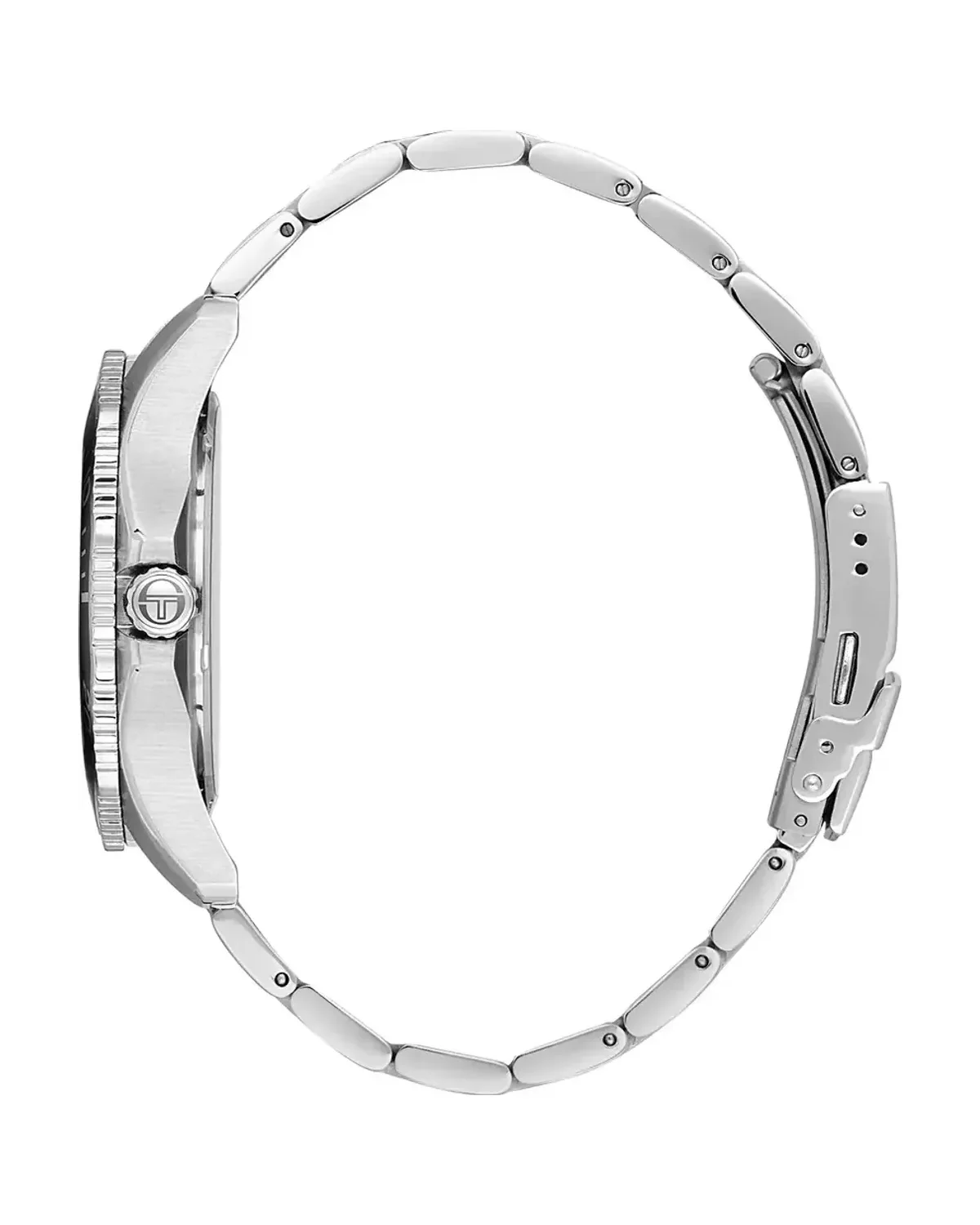
The number on the box is the case diameter without the crown. What really decides the fit is the lug-to-lug length: the distance from the tip of the top lugs to the tip of the bottom lugs. It should never be longer than the flat top of your wrist.
A 42 mm watch with short, curved lugs can wear smaller than a 40 mm watch with long, straight ones.
Wrist fit studio
Move the slider to your wrist size and see how each case size sits.
- Top of wrist
- ≈ 58 mm
- Lug to lug
- ≈ 50 mm
The simple rule
Up to 15 cm: 34 to 38 mm. 15 to 16.5 cm: 36 to 40 mm. 16.5 to 18 cm: 40 to 42 mm. 18 to 19.5 cm: 42 to 44 mm. Above 19.5 cm: 44 mm and up.
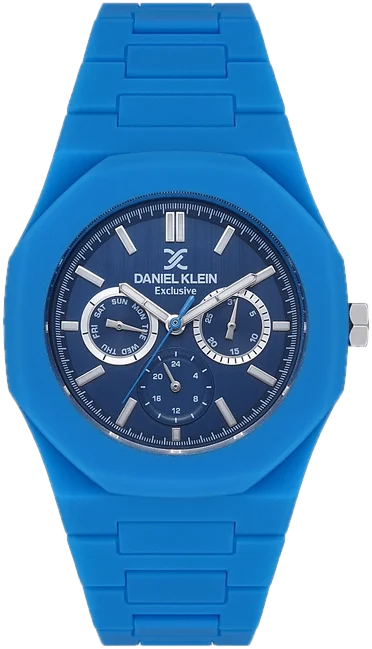
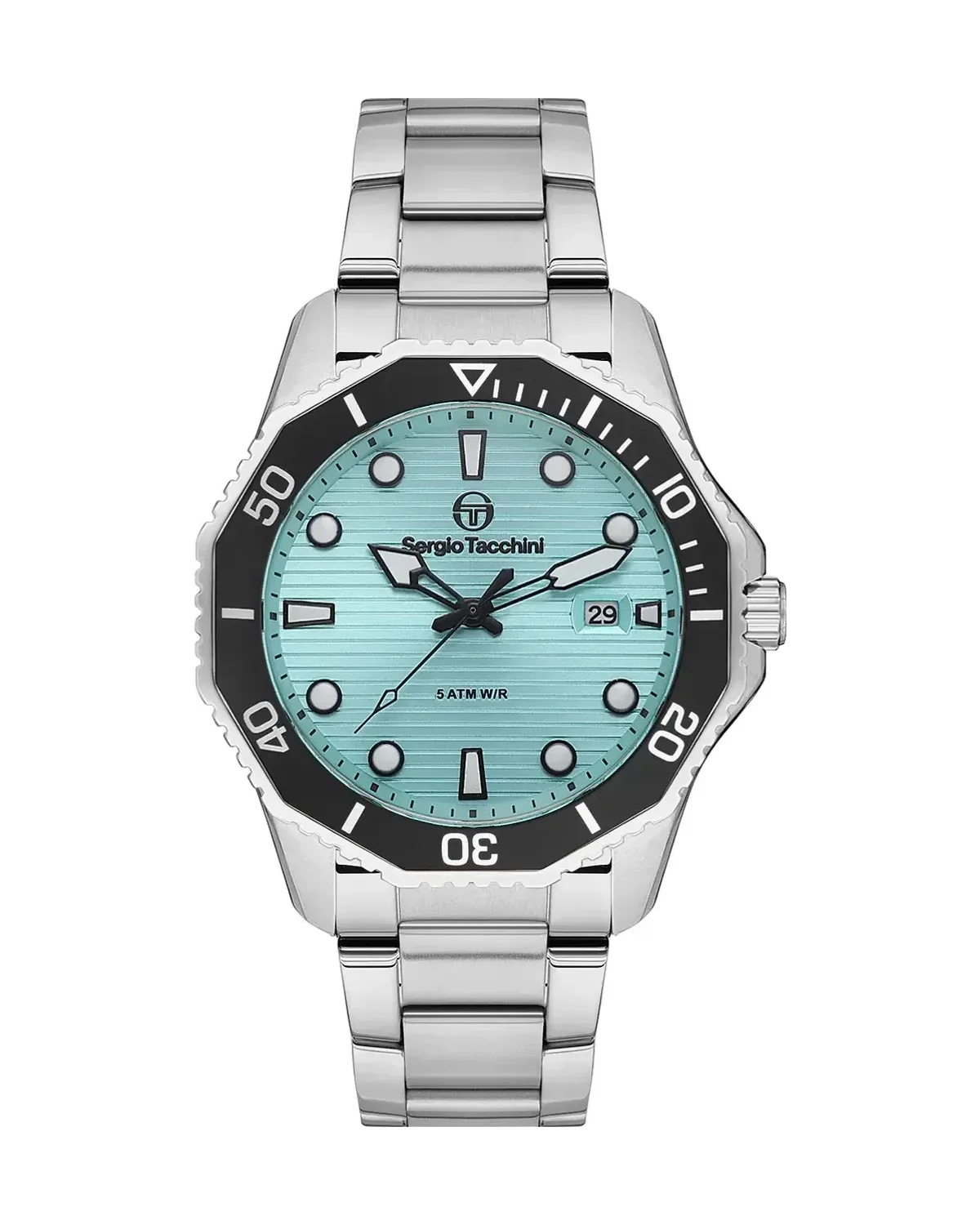
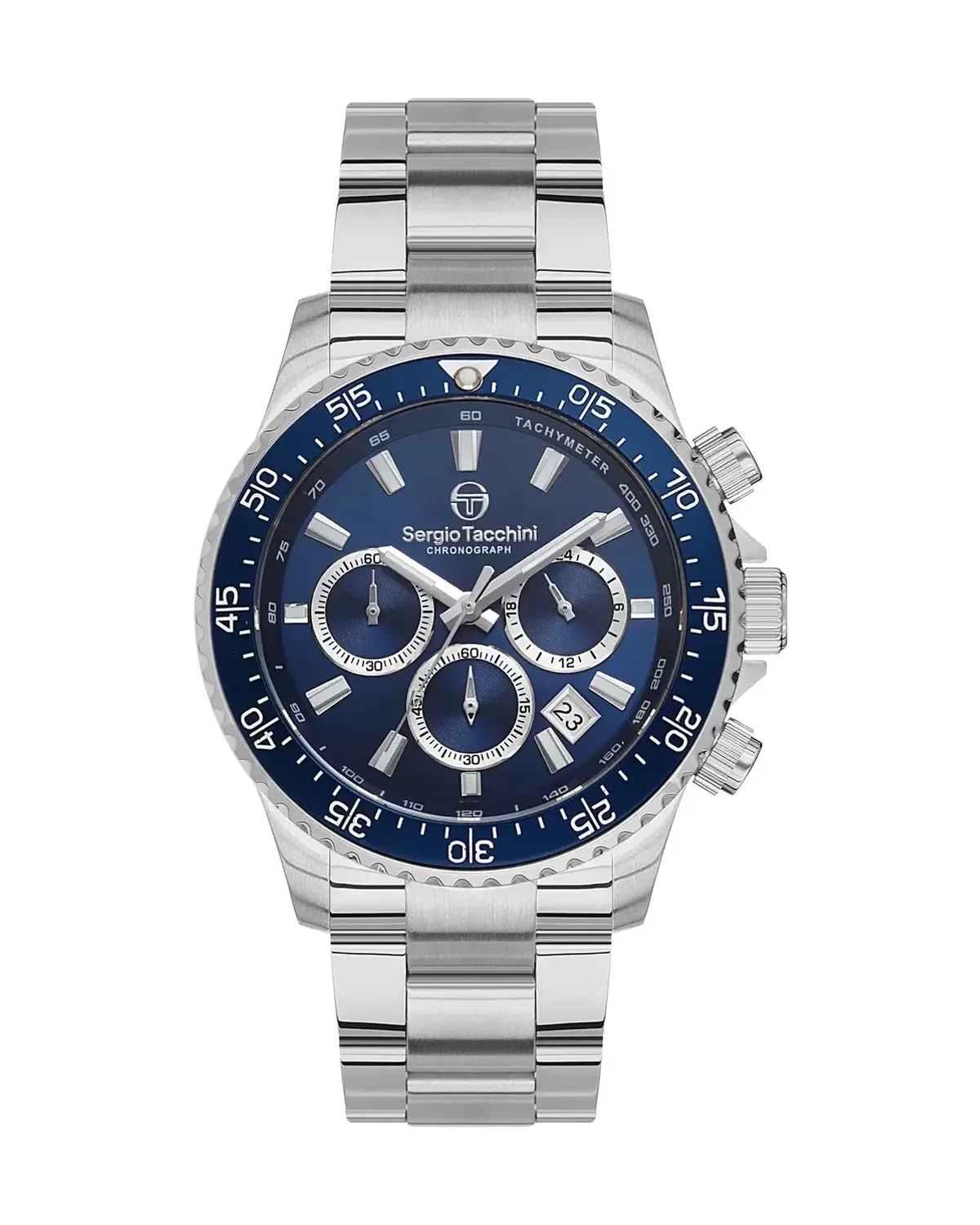
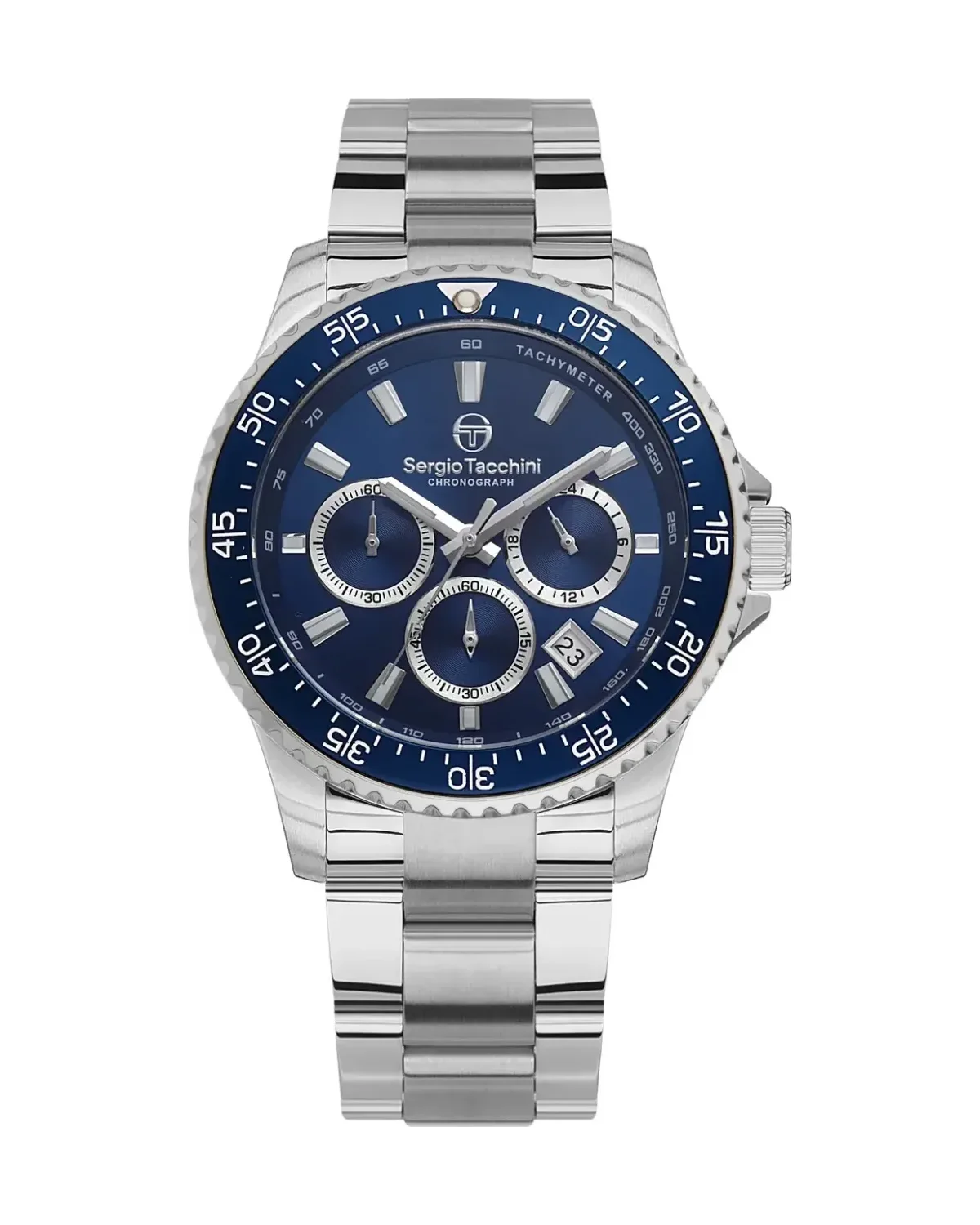
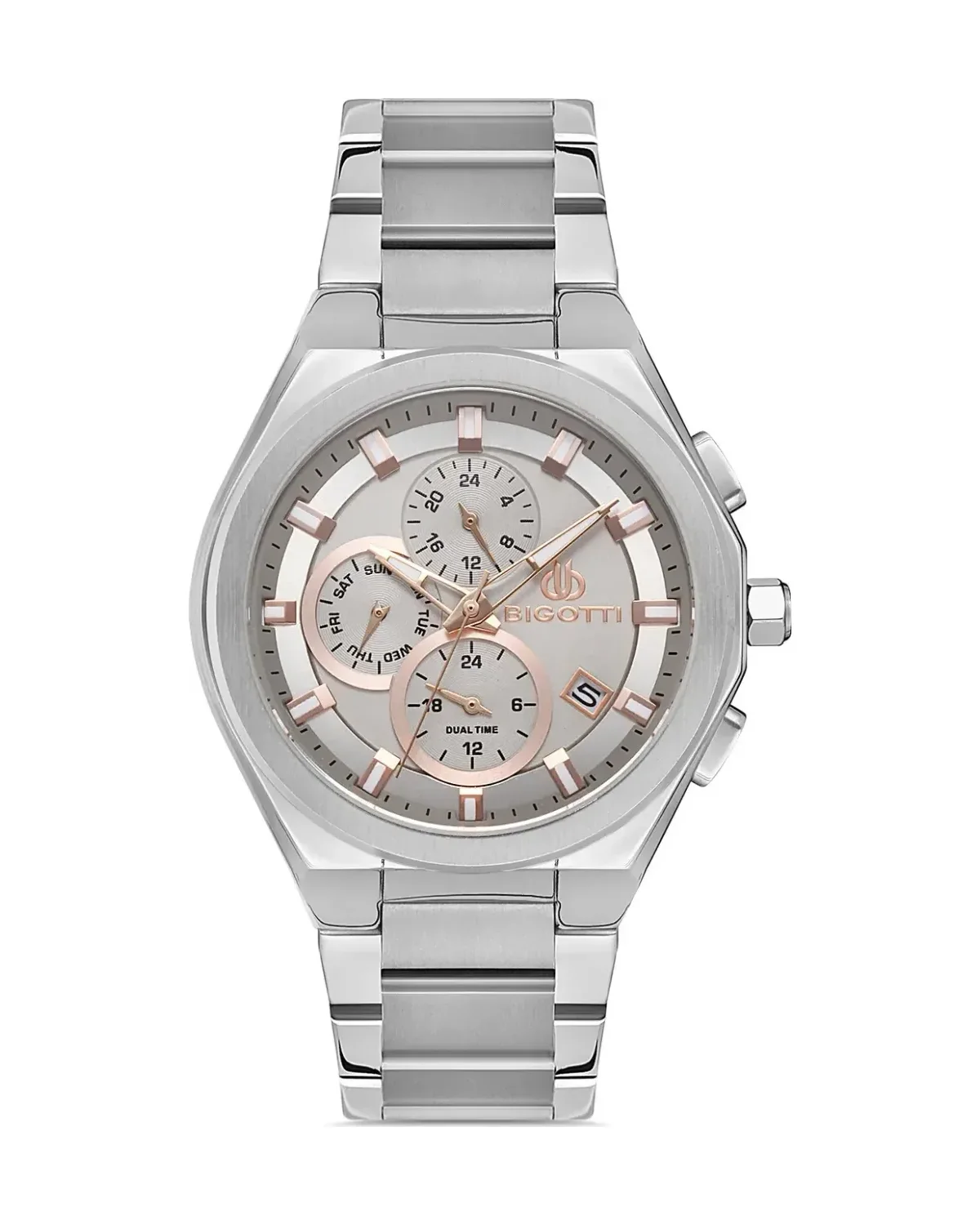
Chronographs and sport watches wear bigger because of their busy dials and thick bezels, so stay at the lower end of your range. Slim dress watches can go one size up.
Thickness, bracelet and cuff
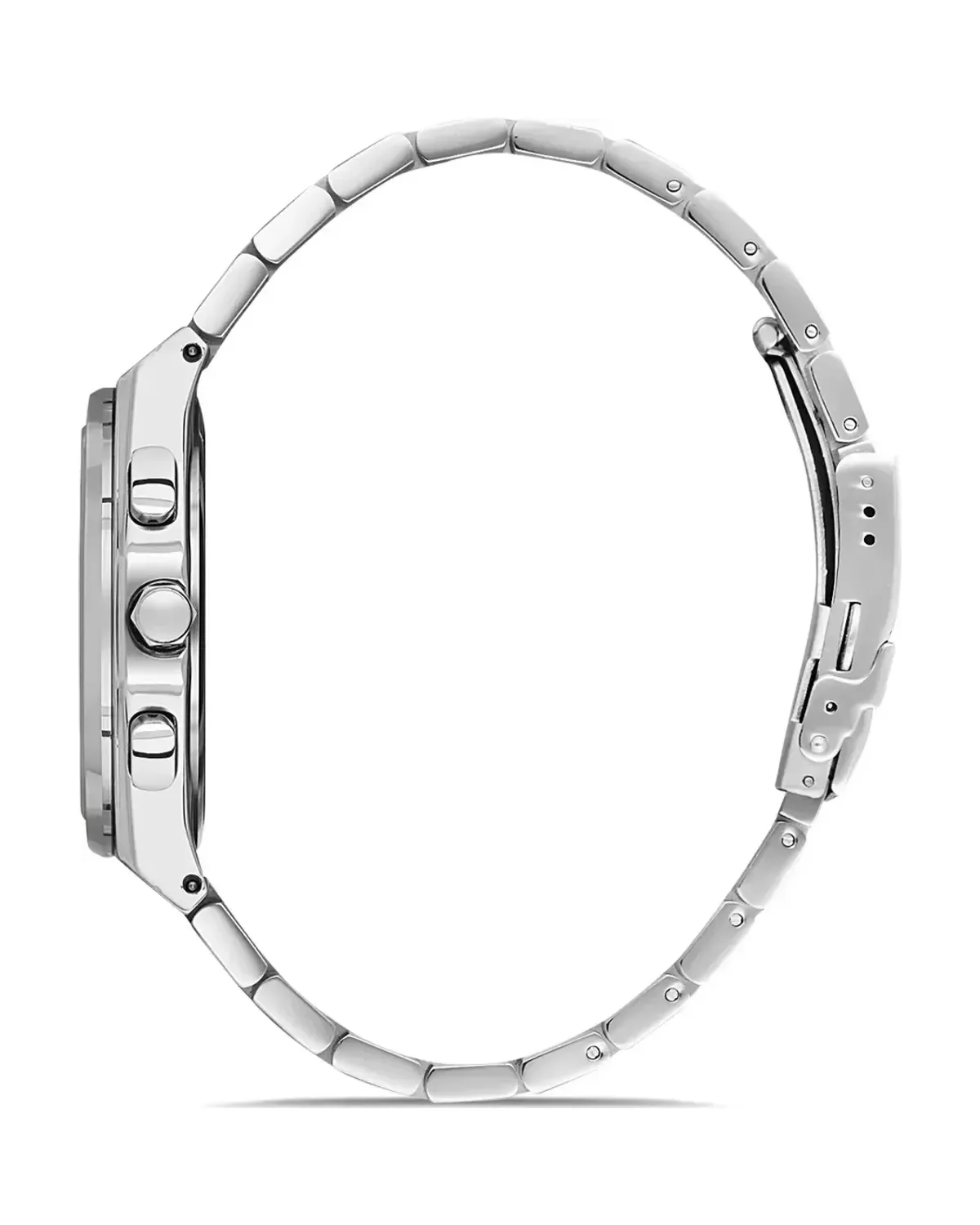
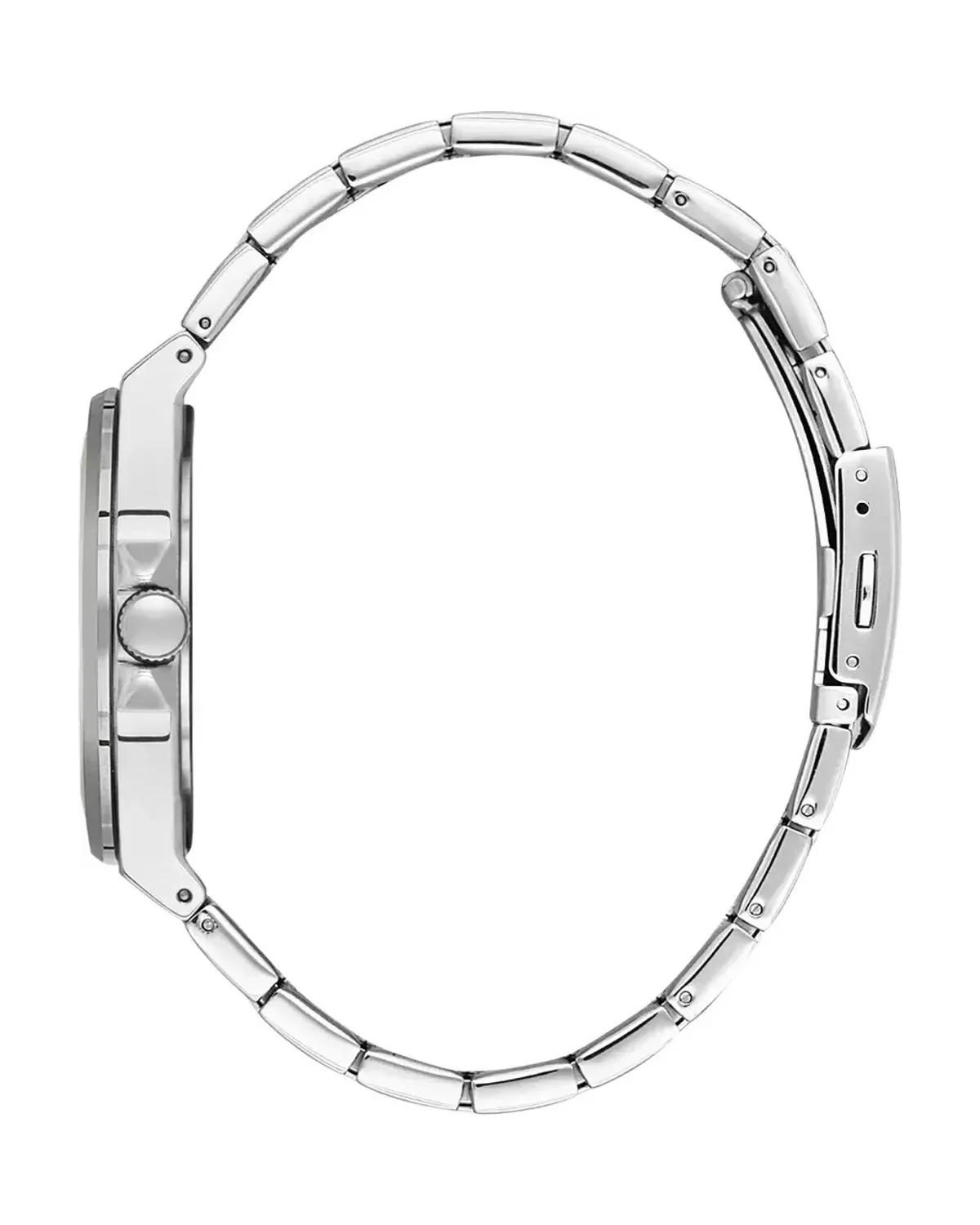
Under 11 mm slips under a shirt cuff; 12 to 14 mm is a confident sport watch. A steel bracelet adds visual weight; a leather or rubber strap makes the same case look lighter.
Between two sizes? Choose the smaller one for daily wear, the larger one for a statement piece.
Watches to try on
Quartz or automatic: what really ticks inside
Read Montre advisorNot sure? Answer three questions and we will pick your watch