
Quartz or automatic: what really ticks inside
One counts the vibrations of a crystal, the other lives on the movement of your wrist. Watch both beat side by side.
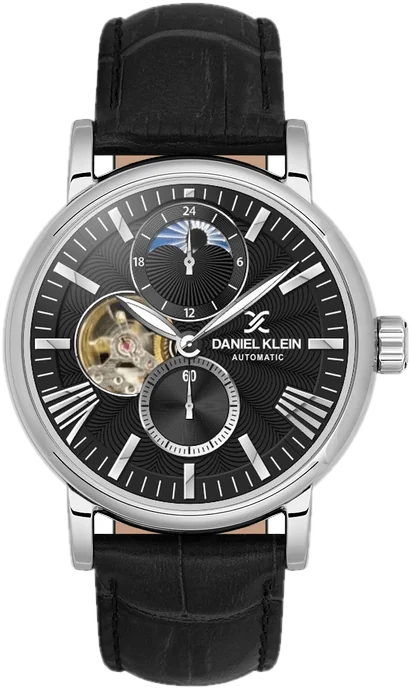
Quartz: a crystal that never loses the beat
A small battery sends current through a tiny quartz crystal, which vibrates exactly 32,768 times a second. A circuit counts those vibrations and moves the seconds hand once every second, which is why it jumps.
The result is remarkable accuracy, around 15 seconds a month, almost no maintenance and a slim case. A battery lasts two to three years.
Automatic: powered by your wrist
Inside, a half-moon rotor turns as you move and winds a spring. The spring slowly releases its energy through gears to a balance wheel that swings back and forth six to eight times a second, so the seconds hand glides.
Off the wrist, a typical automatic runs for about 40 hours. It is less exact than quartz, a few seconds a day, and needs a service every four to six years, but many love it for the craft you can see through an open-heart dial or a glass back.
Movement lab
Compare the two seconds hands, then wind the automatic by moving your wrist.
- Vibration
- 32,768 Hz
- Accuracy
- ±15 s / month
- Power
- Battery, 2–3 years
Which one suits you?
Choose quartz if you want a watch that is always right, light and worry-free, or if you rotate several watches. Choose automatic if you wear one watch every day and enjoy mechanics.
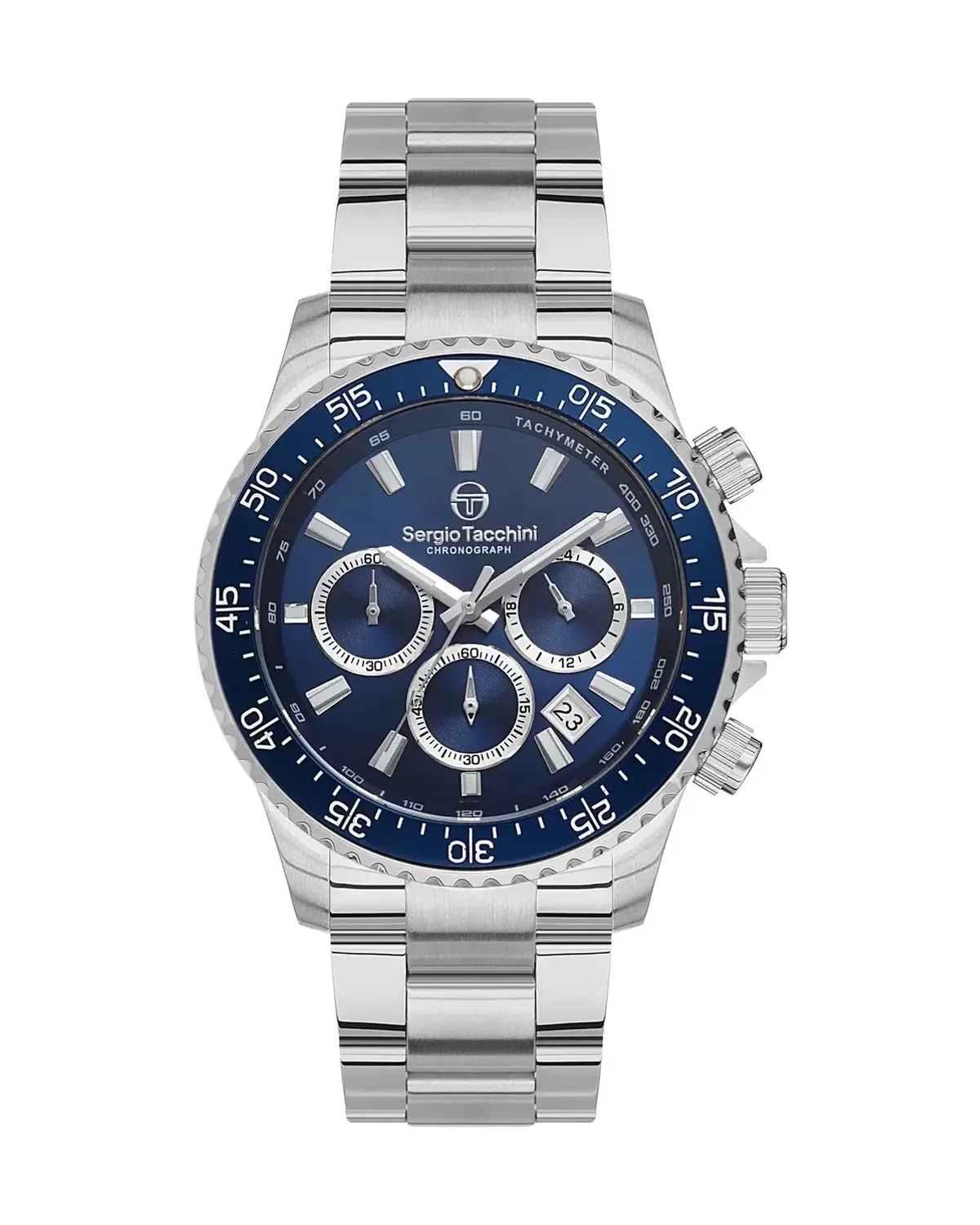
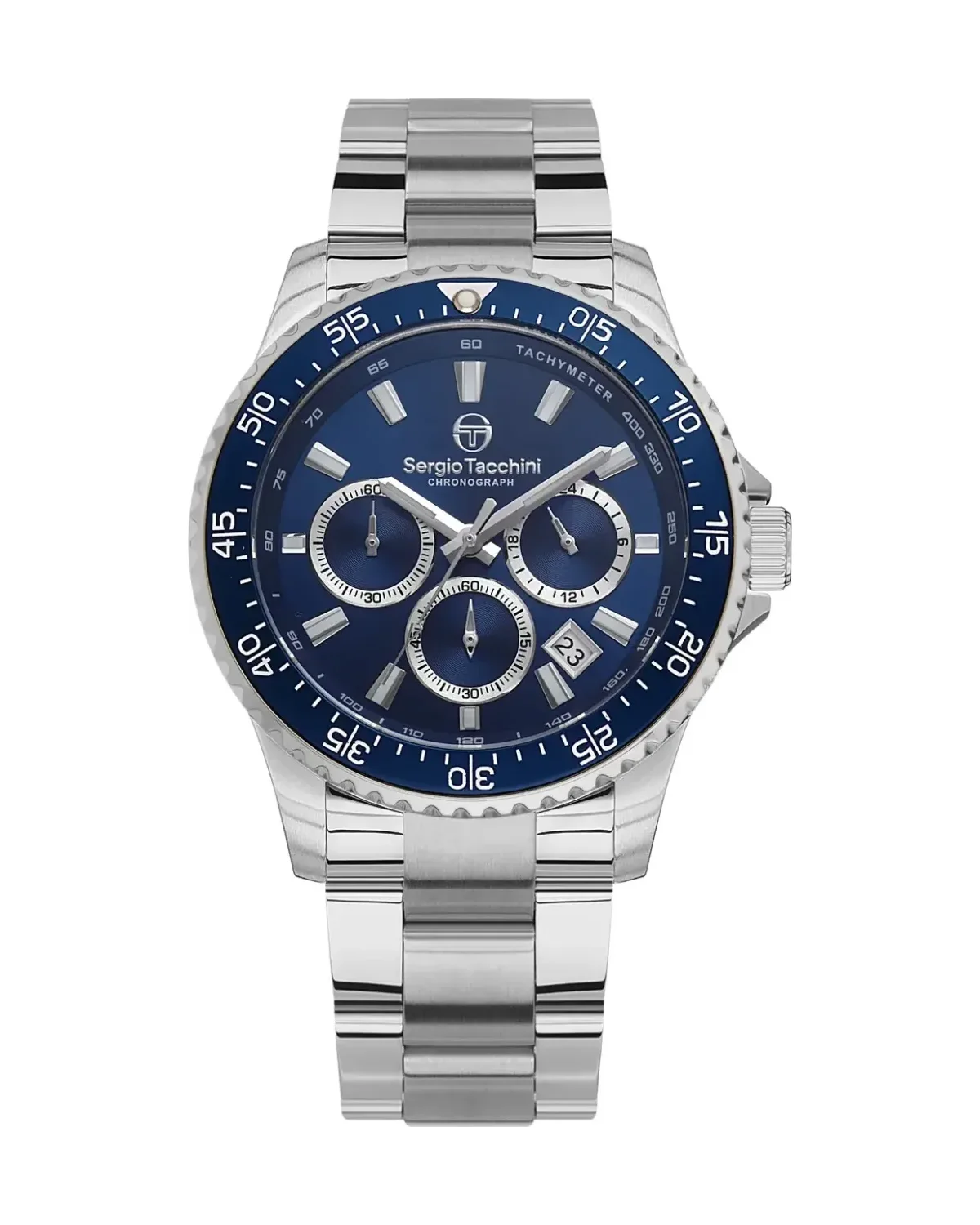
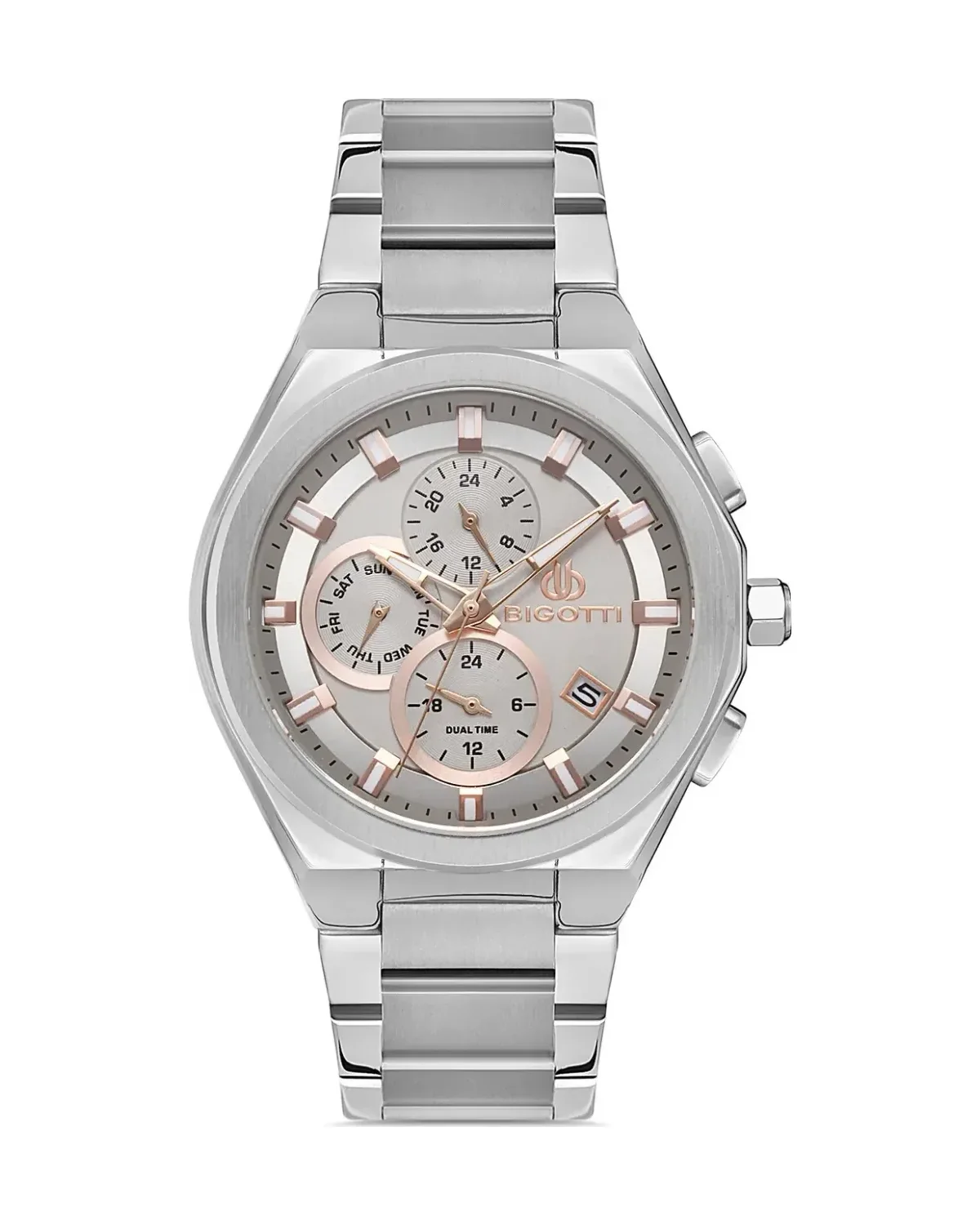
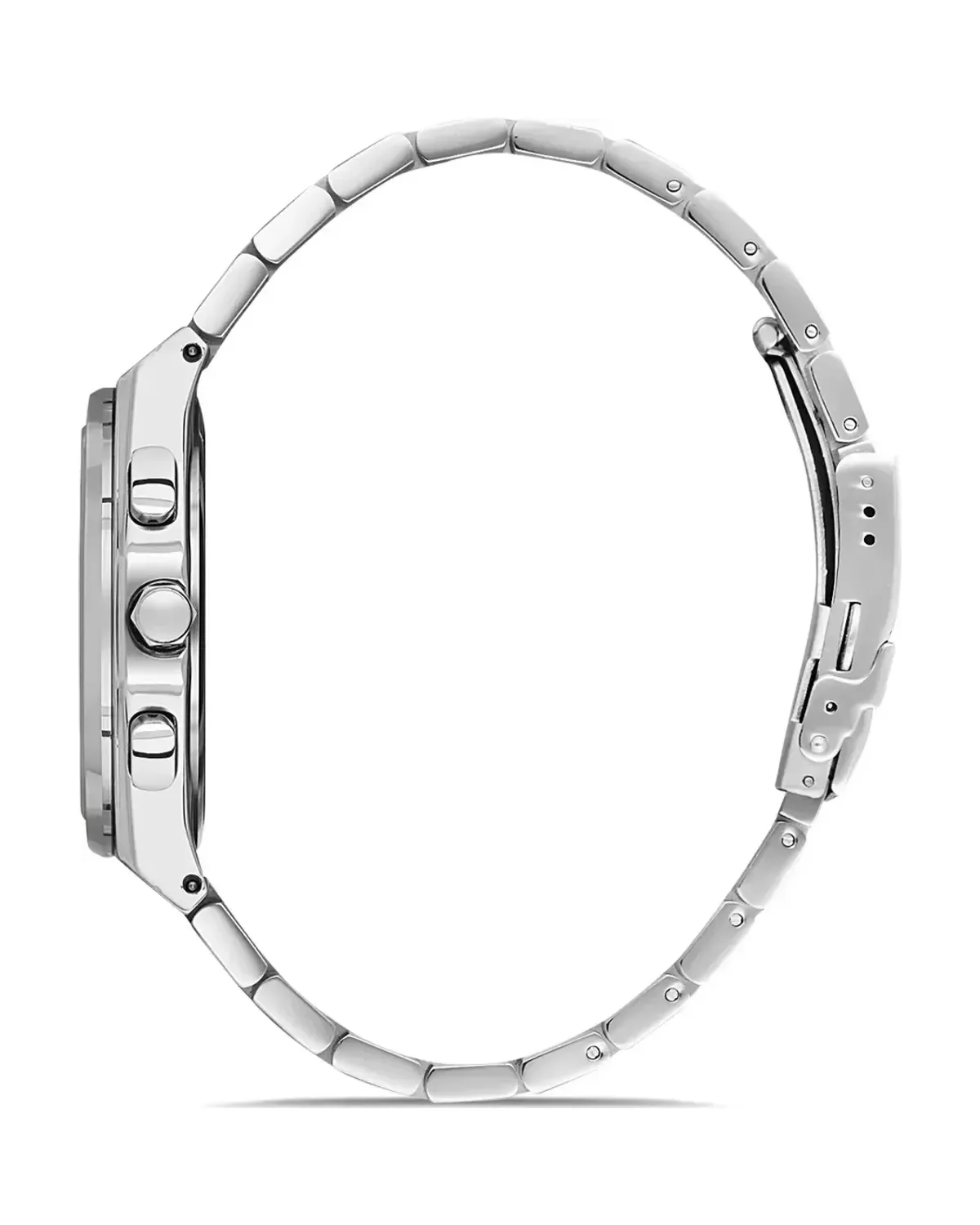
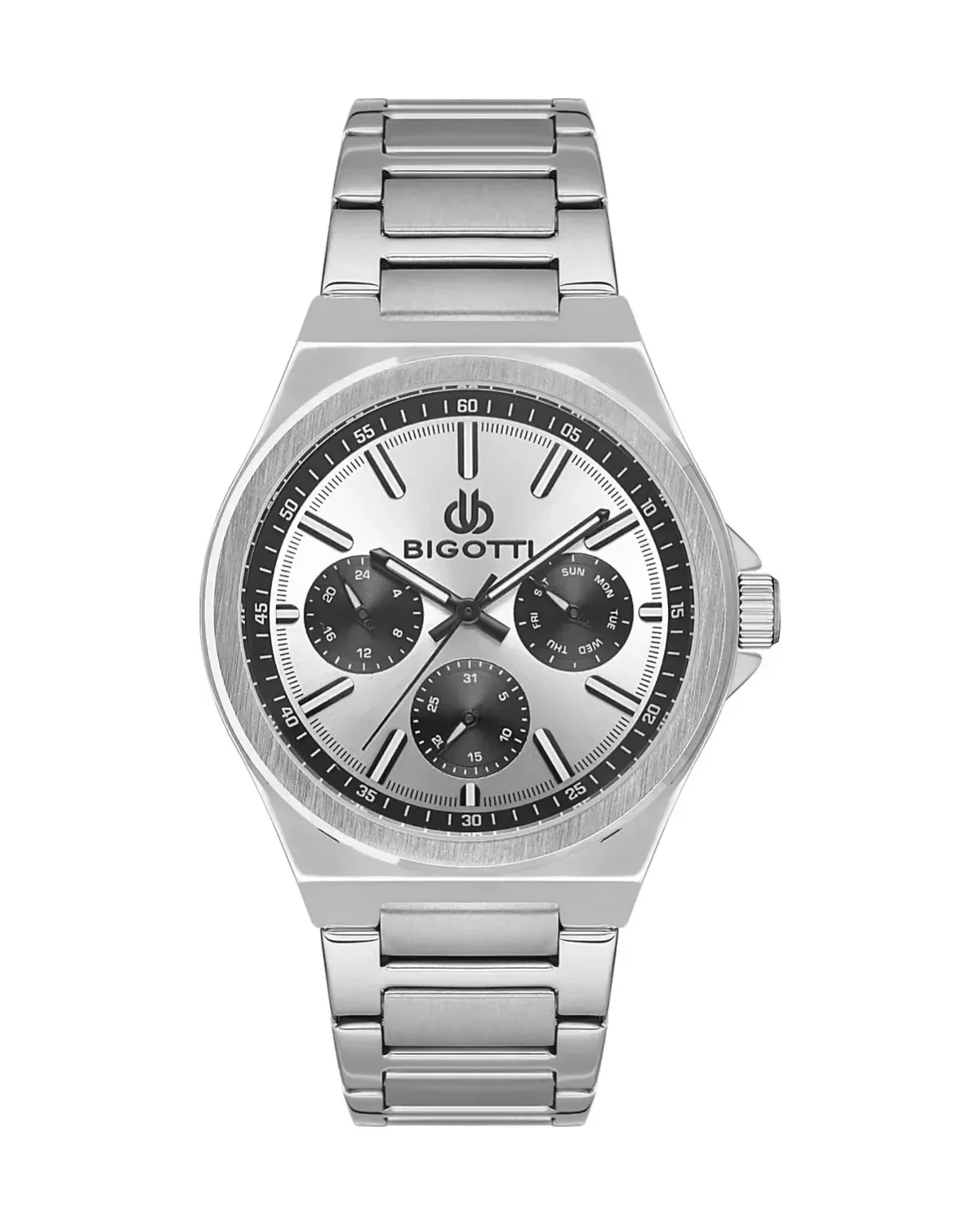
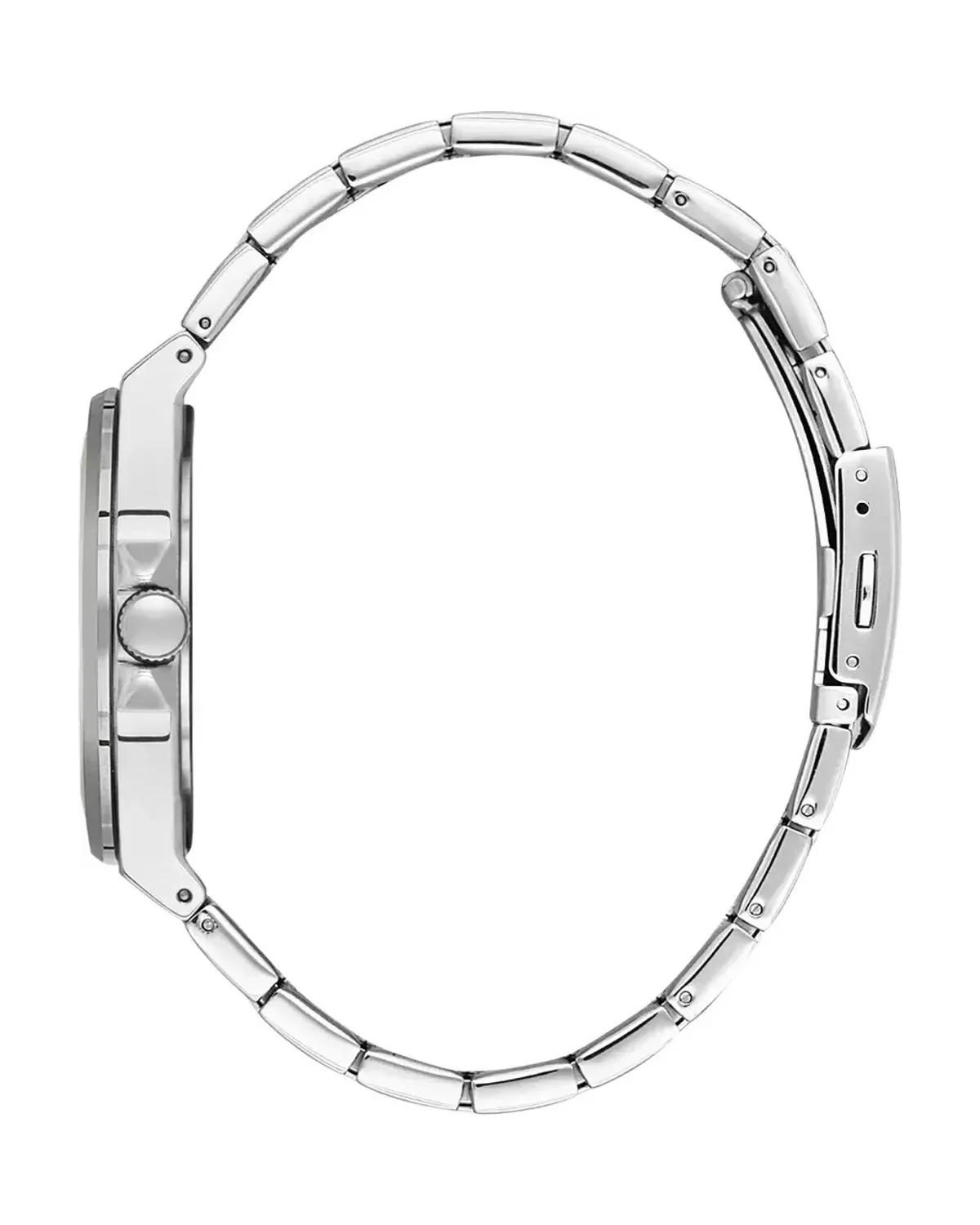
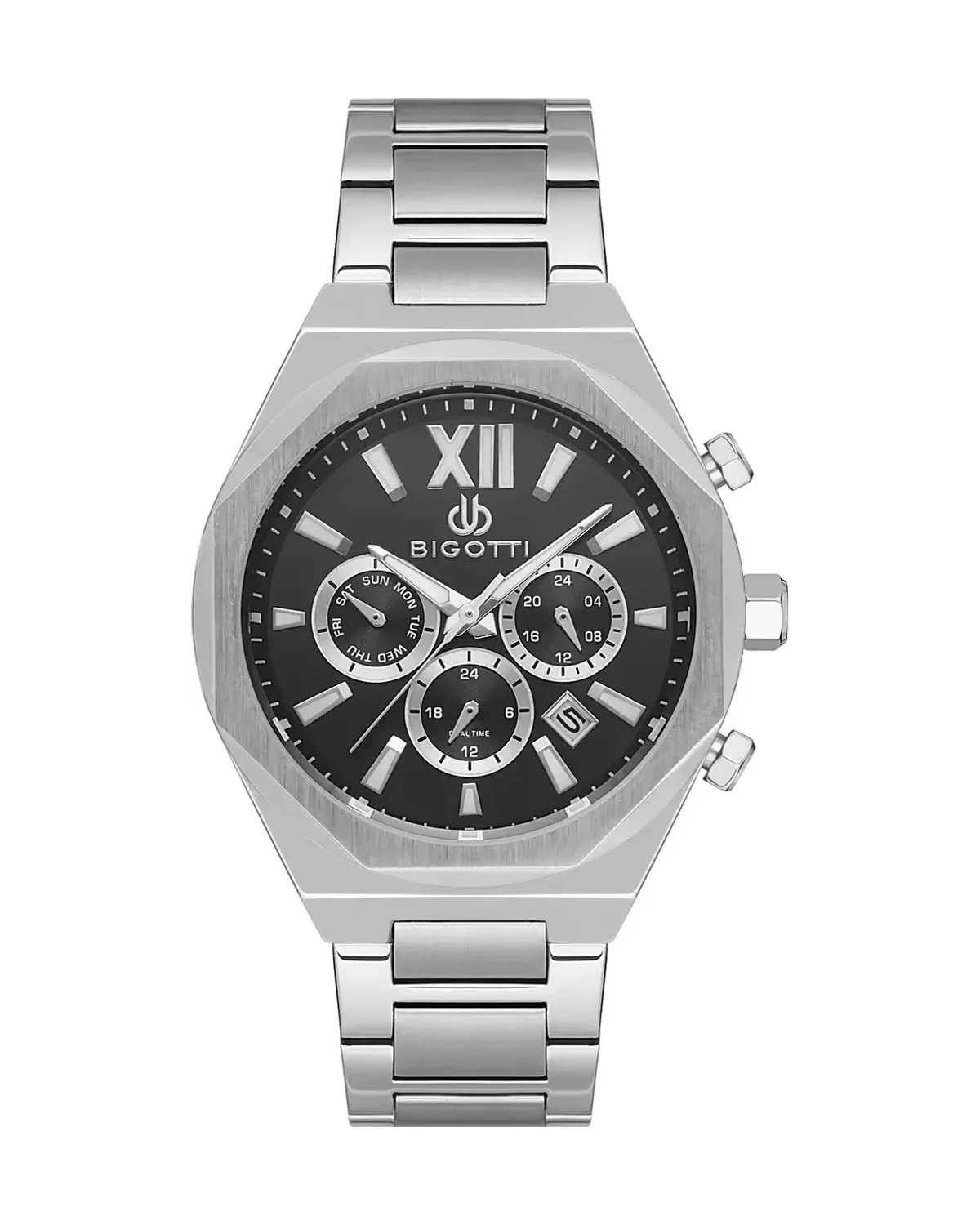
Every watch in our current collection runs on a reliable Japanese quartz movement, the most practical choice for the Gulf climate and daily wear.
Precise quartz watches
Keeping a steel bracelet bright, season after season
Read Montre advisorNot sure? Answer three questions and we will pick your watch